The Masai Mara National Reserve & its neighboring conservancies form Kenya's flagship conservation area & are undoubtedly one of Africa's top safari destinations.
Experience
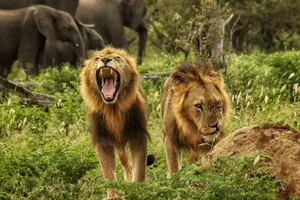
The vast, open plains of the Mara attract an abundance of wildlife, including elephants, buffalos, zebras, giraffes, hyenas, & the Mara's iconic big cats: lions, leopards, & cheetahs.
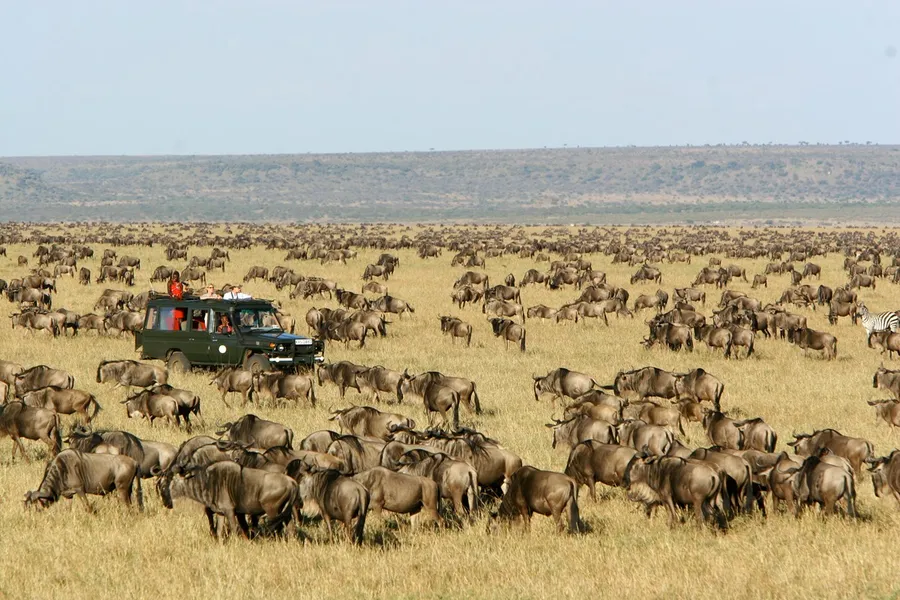
One of the world's greatest wildlife spectacles unfolds here each year between August & November. It's when the Mara becomes a vital pit stop for the endless masses of wildebeests, zebras, & gazelles embarking on their death-defying, 2,900-kilometer circular journey following the rains.
But before these resilient herds can reach the Mara's lush grazing grounds from Tanzania's Serengeti National Park, they must confront the dramatic, crocodile-infested rivers—a sight to behold in its own right.
For those seeking close encounters with Africa's predators and big game, staying in a private conservancy that permits off-road driving & night drives is essential.
Activities
The heart of the Masai Mara experience lies in open 4x4 game drives & walking safaris guided by Maasai warriors. These game drives take you right into the heart of the action, ensuring intimate encounters with Africa's wildlife. Expert local guides lead both morning & afternoon game drives.
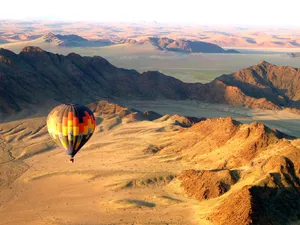
Some lodges also offer night drives with spotlights, allowing you to focus on elusive nocturnal animals. Another highlight is exploring the bush from a bird's-eye view in a hot air balloon. After the flight, you'll enjoy a champagne breakfast—an ideal start to a morning in the Mara.
When to travel
The Masai Mara offers superb year-round wildlife viewing, so there's no single 'best time to go' for general game viewing. High season (June to October) brings cooler, drier weather & more crowds, while low season (November to March) offers warmer, wetter conditions & fewer visitors. During the low season, there are more baby animals to see, & birding is excellent.
However, the absolute best time to witness the world-famous Wildebeest Migration is usually between August & November, depending on rainfall patterns. The Mara's resident animals give birth between December & January during calving season.
MIGRATION EXPLAINED
JANUARY
In January, the herds move south from the northeast region to the area near Lake Ndutu.
FEBRUARY & MARCH
February to March is calving season when over 8,000 wildebeest babies are born each day, offering the chance to witness the bittersweet interaction between fierce predators & wobbly calves.
APRIL & MAY
Between April & May, the herds generally move northwest towards the Moru & Simba Kopjes. Breeding is now in full swing, & by May, the calves are stronger, allowing the herds to move a bit quicker into the central Serengeti.
JUNE
In June, they are typically in the central Serengeti, preparing for the most challenging part of their journey. Some herds may have split up, with a few already crossing the Grumeti River.
JULY
July sees them reach the Grumeti region and northern parts of the Serengeti, facing their greatest obstacle yet: the crocodile-infested waters of the Mara River.
AUGUST
August is usually the best time to witness the river crossings from the northern Serengeti to the Masai Mara.
SEPTEMBER
In September, the herds break into smaller groups, with most crossing over to the Masai Mara, while some (less than half) remain in the northern Serengeti.
OCTOBER
In October, the best chance to see them is still in the Masai Mara. Opt to stay in one of the less-crowded private conservancies that permit off-road driving & night drives.
NOVEMBER
Typically, the short rains begin in November, tempting the wildebeests to leave the dry Mara for the rejuvenated Serengeti. You can usually spot them in the Serengeti's northeastern region, where they may split into smaller groups before continuing their southward journey.
DECEMBER
In December, the herds move south toward fresh grazing, covering the northern & eastern Serengeti in preparation for another action-packed 3,000-kilometre journey.
Explore the magic of the Masai Mara & witness nature's grand spectacle.