Kruger National Park, South Africa's most acclaimed safari destination, stands as a testament to the wild wonders of the African continent. It consistently earns its place among the best of Africa's parks & reserves.
Experience
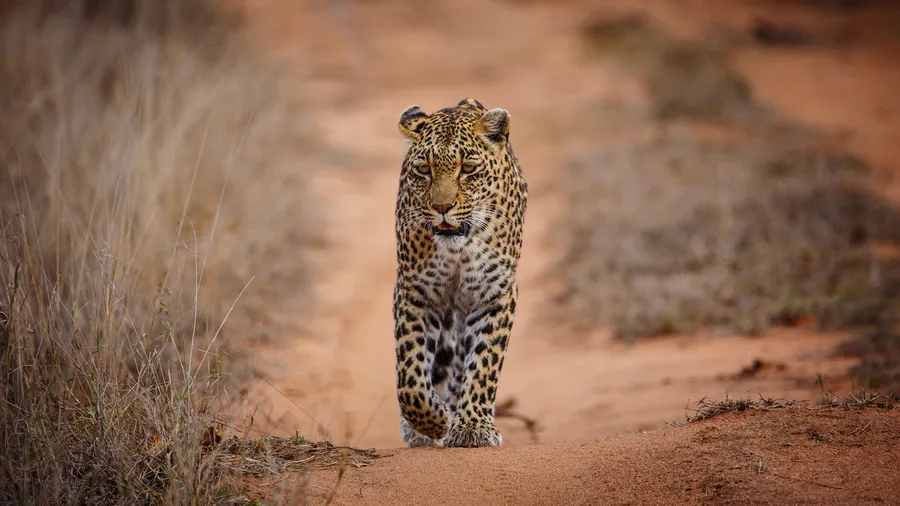
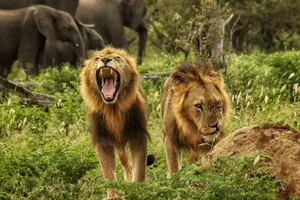
Spanning a vast expanse of land, Kruger National Park covers nearly 20,000 square kilometers, making it roughly the size of Israel or Wales. This immense territory extends across two of South Africa's provinces & teems with an abundance of wildlife, including the coveted Big 5 – lions, leopards, elephants, buffaloes, & rhinos.
However, the park itself represents only one facet of the Greater Kruger region. Complementing Kruger National Park are the Kruger's Private Reserves. While the park is managed by the government parastatal SANParks and is open to the public, the private reserves adjoin much of Kruger's western, unfenced boundary & are privately owned & operated.
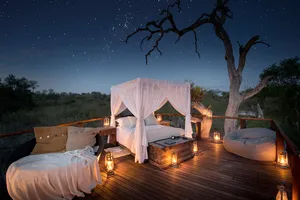
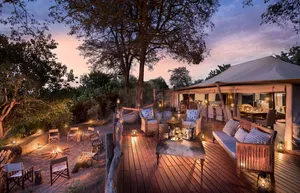
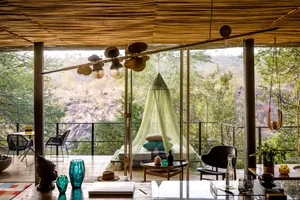
These conservation-minded private reserves include the Sabi Sand, Timbavati, Thornybush, Klaserie, Manyeleti, Kapama, Balule, & the Kruger Concession, which lies within the park itself. These reserves are home to some of the biggest names in safari travel, offering the perfect fusion of exceptional wildlife viewing & luxurious safari living.
Distinct from the National Park, the private reserves permit off-road driving & exhilarating night drives. In these reserves, safari enthusiasts can anticipate remarkable, up-close wildlife encounters that make for indelible memories.
Activities
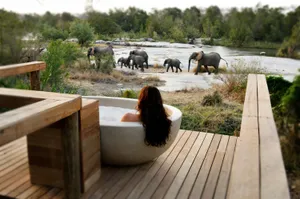
Visitors to the Greater Kruger region are privileged with the opportunity to witness Africa's magnificent creatures in their untamed habitat. Twice-daily open 4x4 game drives, accompanied by expert-led guides, enable guests to marvel at the splendor of the African wilderness.
Game drives unfold twice daily, with morning & afternoon/evening outings, ensuring ample chances to seek out the elusive nocturnal creatures with the help of a spotlight. Off-road driving ventures deep into the heart of the action, guaranteeing wildlife encounters of the highest calibre.
When to travel
The winter season (May to September), known as the dry season, reigns as the best time for wildlife viewing in the region. During this period, the vegetation thins out, making wildlife spotting remarkably easy.
Shoulder months like April and October also offer favorable game viewing opportunities. Conversely, the rainy season (December to March) transforms the bush into a haven for bird enthusiasts, with lush landscapes that beckon exploration.