Tick Off The Big 5
 

Tick Off The Big 5

Bucket List Experiences

Tick Off The Big 5

Tick Off The Big 5

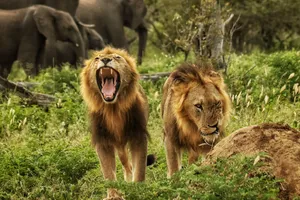
Coming to Africa without seeing the Big 5 is like visiting Paris without catching a glimpse of the Eiffel Tower!

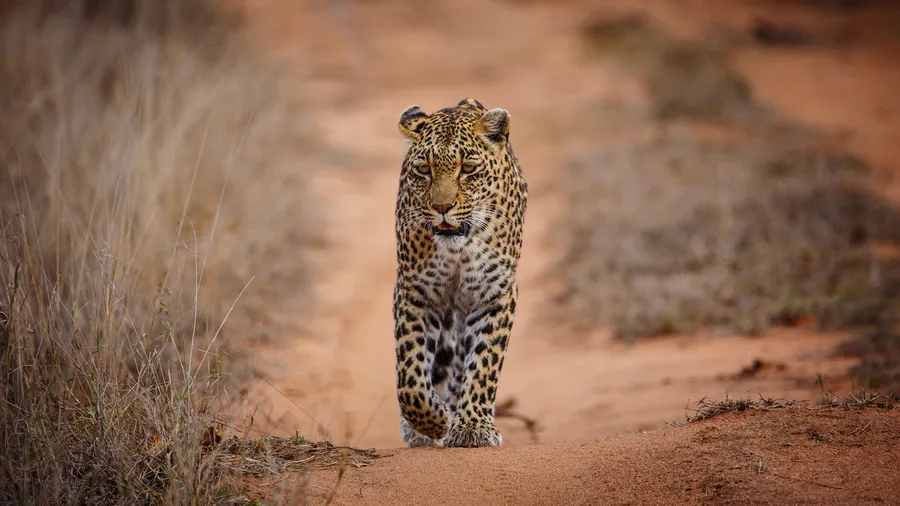
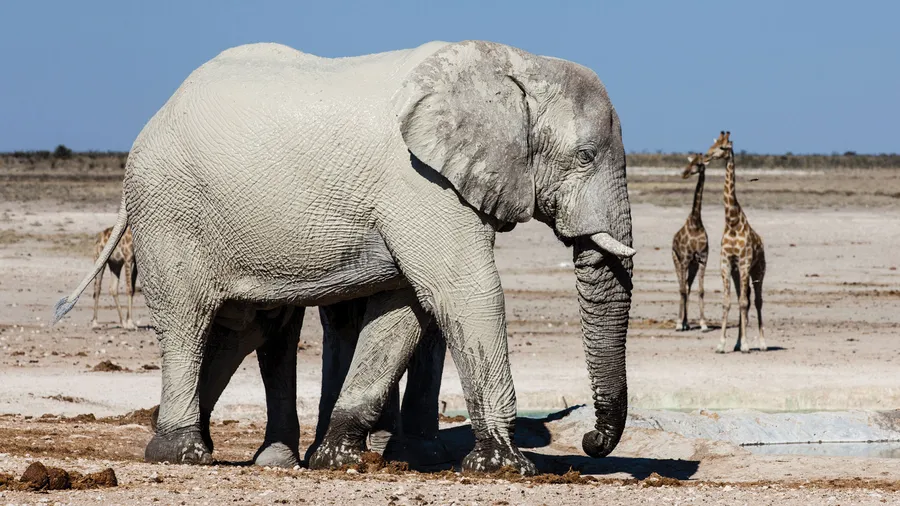
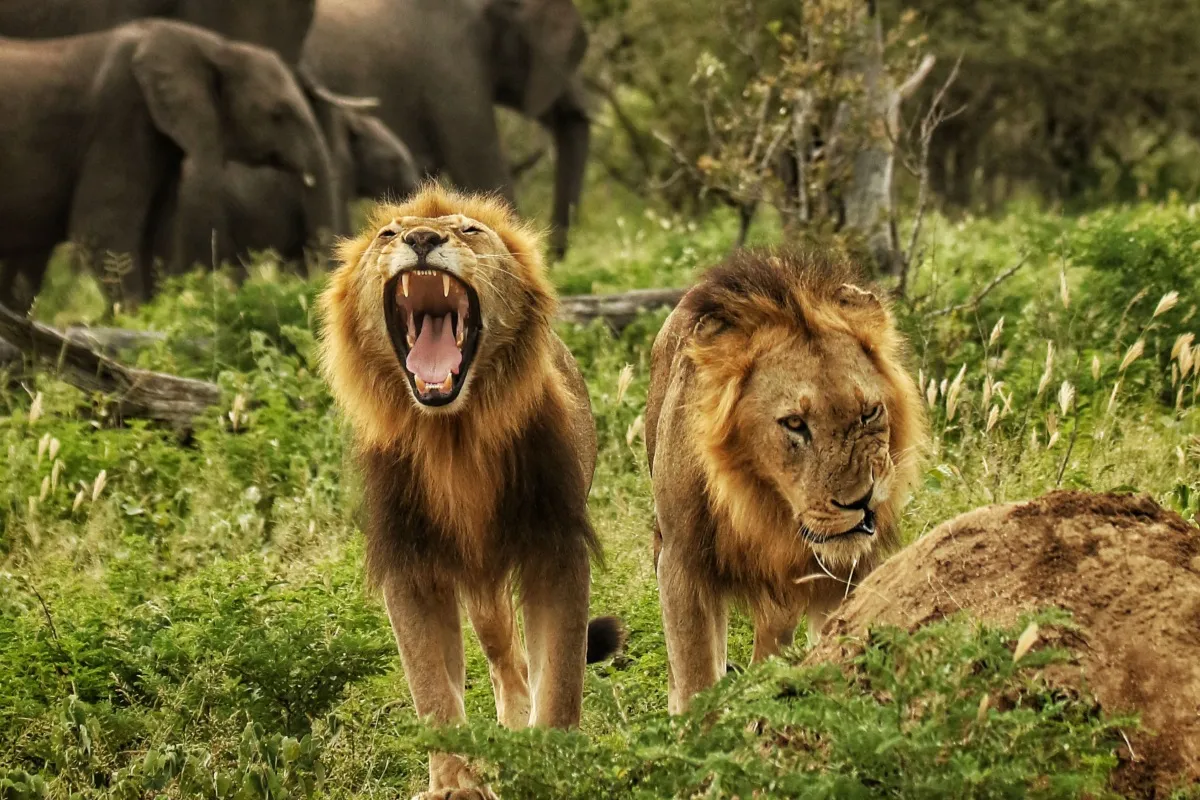
The term ‘Big 5’ was coined by big-game hunters of the past & refers to the 5 most difficult animals in Africa to hunt on foot - but is now widely used in the safari industry as some of the most interesting animals to see on a photographic safari.

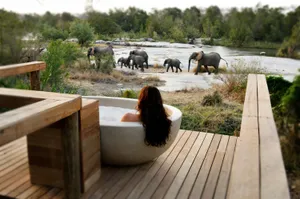
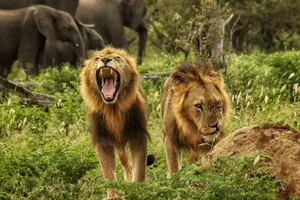
Lion, leopard, elephant, buffalo & rhino have become ‘celebrities of the bush’ & one of the main reasons an African safari should be on everyone’s bucket list.

There are many places in Africa where you can see the Big 5, so journey with us as we share the best of the best.

1. South Africa

South Africa is the king of the jungle when it comes to Big 5 game reserves, & this beautiful country offers something for everyone. The best place to see the Big 5 is in Kruger’s Private Game Reserves. Families who are looking for a malaria-free holiday should opt for Madikwe Game Reserve or one of the reserves in the Eastern Cape as these destinations offer a variety of family-friendly lodges & camps.

2. Botswana

For an authentic & wild safari experience, you should hop on a small plane & fly to the world-famous Okavango Delta, the game-packed Moremi Game Reserve & the iconic Chobe National Park as these areas all offer superb Big 5 wildlife viewing.

3. Namibia

Etosha National Park is Nambia’s cherry on top when it comes to Big 5 game viewing. The park is famous for its numerous waterholes, so you’ll have ample opportunity to witness animals make their way to the water to drink, splash & play.

4. Tanzania

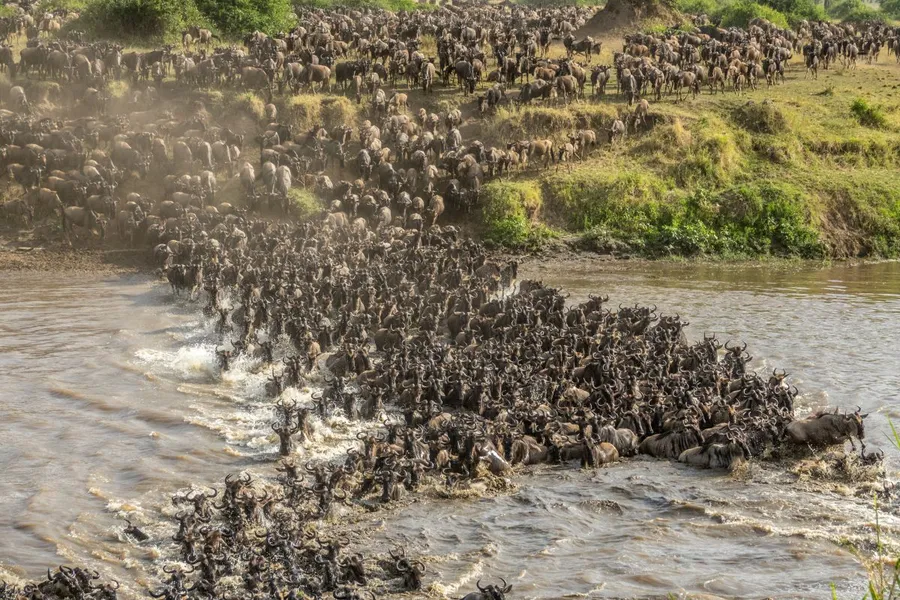
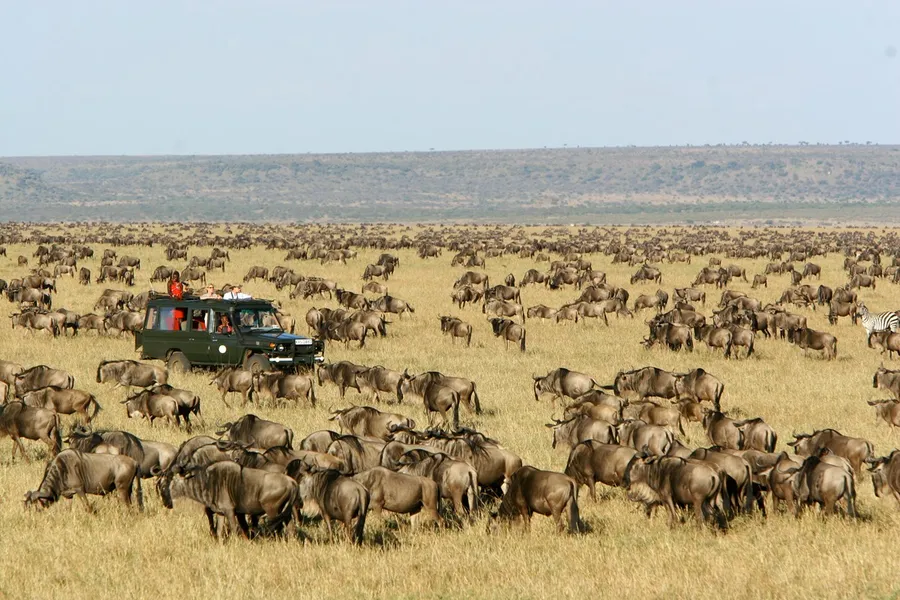
Most visitors to Tanzania want to see the Great Wildebeest Migration, one of Earth’s greatest wildlife spectacles. But the country also offers superb Big 5 wildlife viewing year-round. The best places to see the Big 5 is in the game-packed Serengeti National Park & the beautiful Ngorongoro Crater.

5. Kenya

The crème de la crème of Kenya is the Masai Mara, a magnet for travellers who want to experience the Great Wildebeest Migration in season. The Mara is also home to the famous Big 5, so guests can tick off both in one holiday.

6. Zimbabwe

Most travellers who want to experience a classic Big 5 safari, also want to witness one of the Seven Natural Wonders of the World: the majestic Victoria Falls. The Falls can be seen from both Zimbabwe & Zambia’s sides & can easily be combined with a safari to Zimbabwe’s Big 5 regions: Hwange National Park & Mana Pools National Park.

7. Zambia

Although Zambia is technically a Big 5 country, rhino is rare & can only be seen in Victoria Falls’ Mosi-oa-Tunya National Park & in North Luangwa National Park. Lion, elephant & buffalo are common across multiple parks while Kafue, South Luangwa & Lower Zambezi are well-known for leopards.

Gallery
Gallery
 - Gallery 1
 - Gallery 2
 - Gallery 3
 - Gallery 4
 - Gallery 5
 - Gallery 6
 - Gallery 7
 - Gallery 8
Where Can I Do This?
KRUGER NATIONAL PARK

Kruger National Park, South Africa's most acclaimed safari destination, stands as a testament to the wild wonders of the African continent. It consistently earns its place among the best of Africa's parks &amp reserves. Spanning a vast expanse of land, Kruger National Park covers nearly 20,000 square kilometers, making it roughly the size of Israel or Wales. This immense territory extends across two of South Africa's provinces &amp teems with an abundance of wildlife, including the coveted Big 5 – lions, leopards, elephants, buffaloes, &amp rhinos. However, the park itself represents only one facet of the Greater Kruger region. Complementing Kruger National Park are the Kruger's Private Reserves. While the park is managed by the government parastatal SANParks and is open to the public, the private reserves adjoin much of Kruger's western, unfenced boundary &amp are privately owned &amp operated. These conservation-minded private reserves include the Sabi Sand, Timbavati, Thornybush, Klaserie, Manyeleti, Kapama, Balule, &amp the Kruger Concession, which lies within the park itself. These reserves are home to some of the biggest names in safari travel, offering the perfect fusion of exceptional wildlife viewing &amp luxurious safari living. Distinct from the National Park, the private reserves permit off-road driving &amp exhilarating night drives. In these reserves, safari enthusiasts can anticipate remarkable, up-close wildlife encounters that make for indelible memories. Visitors to the Greater Kruger region are privileged with the opportunity to witness Africa's magnificent creatures in their untamed habitat. Twice-daily open 4x4 game drives, accompanied by expert-led guides, enable guests to marvel at the splendor of the African wilderness. Game drives unfold twice daily, with morning &amp afternoon/evening outings, ensuring ample chances to seek out the elusive nocturnal creatures with the help of a spotlight. Off-road driving ventures deep into the heart of the action, guaranteeing wildlife encounters of the highest calibre. The winter season (May to September), known as the dry season, reigns as the best time for wildlife viewing in the region. During this period, the vegetation thins out, making wildlife spotting remarkably easy. Shoulder months like April and October also offer favorable game viewing opportunities. Conversely, the rainy season (December to March) transforms the bush into a haven for bird enthusiasts, with lush landscapes that beckon exploration.

MADIKWE GAME RESERVE

Madikwe Private Game Reserve, sprawling across 75,000 hectares, stands as one of South Africa's most expansive Big 5 reserves. Nestled on the fringes of the Kalahari &amp bordering Botswana, Madikwe is renowned for its remarkable wildlife encounters, boasting the coveted Big 5 – lion, leopard, elephant, buffalo, &amp rhino – as well as a rich array of other wildlife. For wildlife enthusiasts, Madikwe is nothing short of a paradise. It's undeniably one of the finest locations in the country to witness the rare &amp endangered African wild dog, a captivating sight that draws safari enthusiasts from across the globe. What sets Madikwe apart is its private ownership &amp management, which means day visitors are not permitted. This exclusivity ensures an intimate &amp private safari experience, as it should be. The reserve allows off-road driving &amp night drives, providing guests with extraordinary opportunities for up-close wildlife encounters &amp exceptional photographic moments. Furthermore, Madikwe boasts a malaria-free status, making it an ideal choice for families with young children. The reserve offers an extensive selection of family-friendly safari lodges that provide exciting children's activities, dedicated meals, &amp even babysitting services. Couples &amp honeymooners are not overlooked either. Madikwe is home to luxurious lodges, some of which offer private plunge pools &amp the chance to savor romantic al fresco dinners amidst the untamed wilderness. Visitors to Madikwe Game Reserve have the privilege of observing Africa's magnificent creatures in their natural habitat. This is made possible through twice-daily open 4x4 game drives &amp immersive nature walks led by expert guides. Game drives are conducted both in the morning &amp afternoon, with evening sessions allowing guests to search for nocturnal animals with the aid of a spotlight. Off-road driving adds a thrilling dimension to safaris, ensuring wildlife encounters of the highest quality. The dry season, spanning from May to September, is the prime period for wildlife viewing throughout the region. During this time, the vegetation thins out, making it easier to spot wildlife. The months of April and October are considered shoulder seasons &amp also offer excellent game viewing opportunities. In contrast, the rainy season from December to March transforms Madikwe into a lush &amp vibrant paradise. This period showcases sensational birding opportunities &amp brings forth a wave of baby animals, a favored prey for the many predators that roam Madikwe.

EASTERN CAPE
EASTERN CAPE

Just a short drive from the famed beaches &amp charming seaside towns of the Garden Route, South Africa's Eastern Cape Province emerges as a realm teeming with wildlife, offering warm hospitality, &amp brimming with exhilarating activities. A defining feature of the Eastern Cape is its collection of game reserves, many of which are home to the legendary Big 5: lion, leopard, elephant, buffalo, &amp rhino. What sets this region apart is its status as a malaria-free haven, making it an excellent choice for families seeking child-friendly activities to keep the young ones engaged. Among the most sought-after private reserves in the Eastern Cape, you'll find: Addo Elephant National Park: This park is most renowned for its extensive herds of elephants, truly a sight to behold. Shamwari: Noted for its remarkable conservation initiatives, Shamwari is committed to protecting &amp preserving the region's wildlife &amp natural beauty. Kwandwe: Featuring four award-winning lodges, Kwandwe offers an unforgettable safari experience amid pristine wilderness. The Eastern Cape offers a diverse range of activities for travelers to enjoy. While on safari, guests can embark on open 4x4 game drives in pursuit of iconic wildlife. Expert-led walking safaris provide an intimate look at the flora &amp fauna of the region, while tranquil river cruises &amp thrilling horseback expeditions offer unique ways to explore this captivating landscape. For families, many lodges in the Eastern Cape have established Kids Clubs, which organize exciting activities such as scavenger hunts, arts &amp crafts sessions, educational games, movie nights, &amp even do-it-yourself pizza evenings. Wildlife viewing in the Eastern Cape is rewarding throughout the year. Thanks to the semi-arid climate of the region, animals are naturally drawn to water sources year-round. However, wildlife activity tends to be marginally more pronounced during the driest months, which span from June through September. During these months, the nights can become quite chilly, so it's advisable to pack warm clothing for game drives conducted in open vehicles.

CHOBE NATIONAL PARK
CHOBE NATIONAL PARK

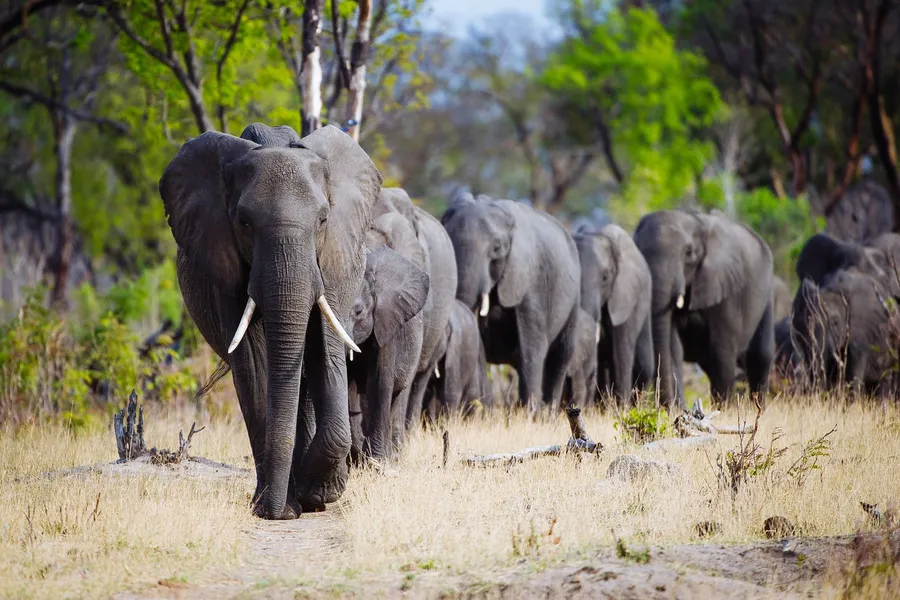
Chobe National Park, globally acclaimed as the 'home of elephants,' is a premier destination for those seeking an unforgettable Chobe National Park elephant safari experience. This remarkable park harbors Africa's largest congregation of wildlife, offering visitors unparalleled encounters with vast herds of elephants &amp buffaloes. In fact, about 120,000 elephants live in & around the national park, & inconceivable numbers of these gentle giants can be seen crowding the banks of the Chobe River during Botswana’s dry season from May to October. Hosting about 120,000 elephants, Chobe National Park presents an unparalleled opportunity for wildlife spotting in the dry season. During Botswana’s dry season from May to October, witness the majestic sight of elephants along the Chobe River. This park is also a hotspot for spotting predators like lions, leopards, wild dogs, hyenas, &amp jackals. The Chobe River, the park's lifeblood, sets the stage for the best birdwatching tours in Chobe National Park &amp exclusive Chobe River sunset boat tours. Embark on guided 4x4 game drives in Chobe National Park, always in the company of expert rangers. For a more intimate experience with nature, partake in unique walking safari experiences in Chobe, Botswana. The highlight for many visitors is the Chobe River boat safari photography opportunities, allowing for stunning wildlife shots. The park's birdlife is particularly rich, offering year-round birdwatching, with the Green Season being especially rewarding Chobe National Park features three distinct safari seasons. The high season, between July &amp October, is ideal for witnessing wildlife congregations. The shoulder season, from April to June &amp November, offers more affordable travel options. The Green Season, between December &amp March, transforms the landscape into a lush paradise, perfect for bird enthusiasts. For those seeking comfort in the wilderness, Chobe National Park luxury lodge accommodations provide the perfect blend of luxury &amp nature. Chobe's strategic location makes it easy to combine Chobe National Park with Kruger National Park trips, as well as visits to Zimbabwe, Zambia, Cape Town, &amp Mozambique.

OKAVANGO DELTA
OKAVANGO DELTA

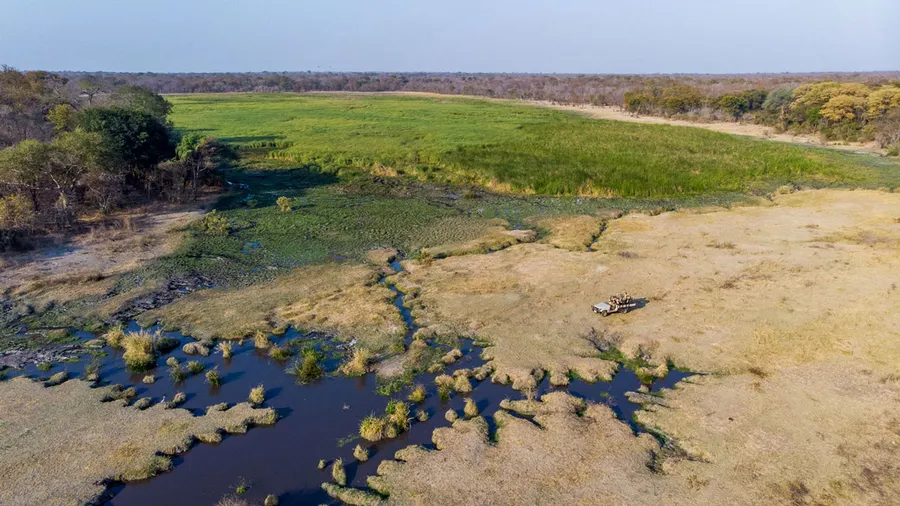
Picture this: A pure river bursts out of wild highlands &amp then meanders lazily through an African wilderness. Finally, it spills into a 6,000 square mile maze of lagoons, channels &amp islands. This is the Okavango Delta, Africa’s premier wildlife destination. Known as “the river that never finds the sea,” Botswana’s Okavango Delta is the largest inland delta in the world. This pristine wilderness area - teeming with wildlife - is a spectacular sight that should be on everyone’s bucket list! The Okavango Delta is a year-round safari destination where you can come eye-to-eye with some of Africa’s fiercest creatures. Because it is a freshwater wetland, the Okavango Delta offers guests both land &amp water activities. Experience the vast open plains on open 4x4 game drive, always accompanied by a qualified ranger. Walking safaris are also available in some areas, so be prepared to leave footprints behind. The real highlight of a trip to the Okavango Delta’s swamps is the mokoro trips – an activity unique to Botswana. These dug-out guided canoes will take you downstream to look for birds &amp aquatic antelope. It is great fun exploring the waterways of the Delta by honoring this local tradition. Finish the day with a boat cruise, while sipping on a cool sundowner &amp watch the sunset. The Okavango Delta has 3 distinct safari seasons. The best time to travel is during high season - between July &amp October - when the bush is dry &amp the channels of the Okavango Delta are full. Shoulder season, which is from April to June &amp November, is also a great time to travel &amp rates are less expensive than during high season. Green season is during the summer, between December to March, when Botswana receives rain, so the bush is lush &amp birdlife is amazing. During the rainy season, rates are at their lowest.
MOREMI GAME RESERVE
MOREMI GAME RESERVE

Protecting 3,000 square km of the central &amp eastern Okavango Delta, Moremi is a stunning blend of lily-covered wetlands, sparkling floodplains, open grassland &amp dappled forests, offering guests a beautiful contrast between permanent water &amp dry land. For a Chief’s Island luxury safari experience guide, look no further than Moremi Game Reserve. Home to the famous Chief’s Island – Botswana’s best wildlife destination – it is not surprising that travelers from across the globe prefer to add the Moremi Game Reserve to their bucket list. Here, guests will experience action-packed wildlife encounters, phenomenal predator sightings &amp great bird watching on the lagoons. Visitors to the Moremi Game Reserve will have their pick from a wide selection of exciting safari activities. These include open 4x4 game drives, bush walks, boating safaris, mokoro trips in traditional dug-out canoes &amp even fishing. Accommodation should be chosen carefully because some lodges offer land-based activities while others offer water-based activities. A handful of lodges offer both. It is important to stay at a mix of lodges where guests can explore all the activities Moremi has to offer, including photographic retreats in Moremi Game Reserve's diverse landscapes. The Moremi has 3 distinct safari seasons. The best time to travel is during high season - between July &amp October - when large herds of wildlife concentrate along the waterways of the Okavango Delta. (Botswana receives its water from the highlands of Angola almost 2,000km away, &amp it only reaches the Okavango floodplains 6 months after the last rains have fallen there.) For unique safari experiences in Moremi Game Reserve wetlands, consider traveling during the green season, between December to March, when the bush is lush &amp birdlife is amazing. During the rainy season, rates are at their lowest.

SERENGETI NATIONAL PARK

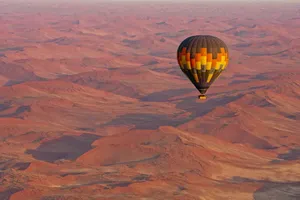
Home to the iconic Great Wildebeest Migration, the Serengeti boasts one of the world's largest wildlife concentrations and is the habitat of the coveted Big 5: lion, leopard, elephant, buffalo, &amp rhino. Its year-round sensational game viewing is unparalleled. This flagship Tanzanian conservation area encompasses vast rolling grasslands &amp golden savannahs, providing visitors with a profound sense of space &amp some of Africa's finest game encounters. Wildlife enthusiasts flock to the Serengeti to witness nature's grand spectacle: The Great Wildebeest Migration. Every year, millions of wildebeest, zebras, &amp gazelles follow a migratory path across the Serengeti in search of greener pastures. Observing massive herds braving crocodile-infested rivers &amp eluding hungry predators like Africa's big cats is the essence of the Serengeti experience. Throughout the year, expect extraordinary wildlife encounters, including the exhilarating predator-prey drama of calving season (February to March). Serengeti National Park offers a wide array of wildlife-centered activities, including open 4x4 game drives, guided walks, captivating hot air balloon safaris, &amp rewarding birdwatching. Cultural visits, delightful picnic lunches, invigorating mountain biking, &amp horse riding are among the other thrilling pursuits available. For optimal wildlife viewing, plan your visit during the dry season from late June to October. This period not only offers superb wildlife encounters but also showcases the pinnacle of the Wildebeest Migration. While wildlife viewing is excellent year-round, specific areas shine during different times. Keep in mind that the entire migration is orchestrated by rainfall. Here's a brief overview: JANUARY: Herds move south to the area near Lake Ndutu. FEBRUARY & MARCH: Calving season unfolds, with thousands of wildebeest calves born daily. APRIL & MAY: Herds move northwest toward the Moru & Simba Kopjes. JUNE: They reach the central Serengeti, preparing for the challenging journey ahead. JULY: The herds arrive in the Grumeti region, confronting the crocodile-infested waters of the Mara River. AUGUST: Witness thrilling river crossings from the northern Serengeti to the Masai Mara. SEPTEMBER: Herds break into smaller groups, with most crossing to the Masai Mara while a portion remains in the northern Serengeti. OCTOBER: In October, the best time for wildlife viewing is in the Masai Mara in Kenya. Opt to stay in one of the less-crowded private conservancies where off-road driving & night drives are permitted. NOVEMBER: Normally, the short rains begin in November - tempting the wildebeest to leave the dry Mara for the rejuvenated Serengeti. Generally, they can be seen in the Serengeti’s northeastern region where they may split into smaller groups before continuing their journey southward. DECEMBER: In December, the herds move south towards fresh grazing & cover the northern & eastern Serengeti in preparation for another action-packed 3,000 km journey.

NGORONGORO CRATER
NGORONGORO CRATER

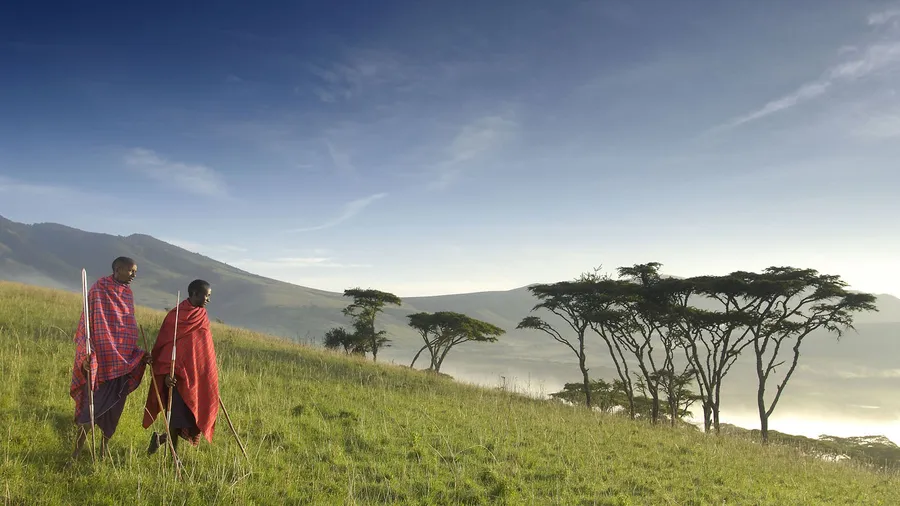
Ngorongoro Crater, situated in northern Tanzania, is an ancient volcanic caldera known for providing some of East Africa's easiest &amp most rewarding game viewing experiences. This area is home to the sought-after Big 5 – lions, leopards, elephants, buffaloes, &amp rhinos. Ngorongoro Crater offers an exceptional safari adventure with its unique setting &amp a remarkable population of 30,000 animals, making it a dream destination for safari enthusiasts. The landscape is nothing short of spectacular, teeming with abundant predators. It's not uncommon to spot all members of the Big 5 in a single day here. Luxurious lodges situated atop cliffs on the rim of Ngorongoro Crater provide some of the world's most breathtaking views. Staying near the rim also has the added perk of being first in line for the descent to the crater floor each morning, allowing you to beat the crowds. For travelers seeking more budget-friendly yet equally peaceful safari accommodations, the nearby town of Karatu, about 20 km south of the crater in the lush hills of the Karatu Highlands, offers excellent options. Many lodgings here are surrounded by working coffee plantations, offering a wide range of activities, similar to those at the crater rim. Ngorongoro Crater offers a wealth of activities for its visitors. Choices include open 4x4 game drives, guided walks with Maasai warriors, mountain biking, bird watching, cultural visits, hot air balloon safaris, picnics on the crater floor, &amp romantic sundowner excursions. Day trips to nearby attractions like Lake Manyara &amp Olduvai Gorge can also be arranged. Wildlife remains within the steep-walled crater throughout the year, ensuring a great safari experience regardless of the season. High visitor numbers are expected during the peak season from July to September &amp again during the calving season in December to February following the November rains. With fewer visitors &amp a lush green landscape compared to the dry season, the April to May rainy season is often considered the best time to visit Ngorongoro Crater.

MASAI MARA
MASAI MARA

The Masai Mara National Reserve &amp its neighboring conservancies form Kenya's flagship conservation area &amp are undoubtedly one of Africa's top safari destinations. The vast, open plains of the Mara attract an abundance of wildlife, including elephants, buffalos, zebras, giraffes, hyenas, &amp the Mara's iconic big cats: lions, leopards, &amp cheetahs. One of the world's greatest wildlife spectacles unfolds here each year between August &amp November. It's when the Mara becomes a vital pit stop for the endless masses of wildebeests, zebras, &amp gazelles embarking on their death-defying, 2,900-kilometer circular journey following the rains. But before these resilient herds can reach the Mara's lush grazing grounds from Tanzania's Serengeti National Park, they must confront the dramatic, crocodile-infested rivers—a sight to behold in its own right. For those seeking close encounters with Africa's predators and big game, staying in a private conservancy that permits off-road driving &amp night drives is essential. The heart of the Masai Mara experience lies in open 4x4 game drives &amp walking safaris guided by Maasai warriors. These game drives take you right into the heart of the action, ensuring intimate encounters with Africa's wildlife. Expert local guides lead both morning &amp afternoon game drives. Some lodges also offer night drives with spotlights, allowing you to focus on elusive nocturnal animals. Another highlight is exploring the bush from a bird's-eye view in a hot air balloon. After the flight, you'll enjoy a champagne breakfast—an ideal start to a morning in the Mara. The Masai Mara offers superb year-round wildlife viewing, so there's no single 'best time to go' for general game viewing. High season (June to October) brings cooler, drier weather &amp more crowds, while low season (November to March) offers warmer, wetter conditions &amp fewer visitors. During the low season, there are more baby animals to see, &amp birding is excellent. However, the absolute best time to witness the world-famous Wildebeest Migration is usually between August &amp November, depending on rainfall patterns. The Mara's resident animals give birth between December &amp January during calving season. MIGRATION EXPLAINED JANUARY In January, the herds move south from the northeast region to the area near Lake Ndutu. FEBRUARY &amp MARCH February to March is calving season when over 8,000 wildebeest babies are born each day, offering the chance to witness the bittersweet interaction between fierce predators &amp wobbly calves. APRIL &amp MAY Between April &amp May, the herds generally move northwest towards the Moru &amp Simba Kopjes. Breeding is now in full swing, &amp by May, the calves are stronger, allowing the herds to move a bit quicker into the central Serengeti. JUNE In June, they are typically in the central Serengeti, preparing for the most challenging part of their journey. Some herds may have split up, with a few already crossing the Grumeti River. JULY July sees them reach the Grumeti region and northern parts of the Serengeti, facing their greatest obstacle yet: the crocodile-infested waters of the Mara River. AUGUST August is usually the best time to witness the river crossings from the northern Serengeti to the Masai Mara. SEPTEMBER In September, the herds break into smaller groups, with most crossing over to the Masai Mara, while some (less than half) remain in the northern Serengeti. OCTOBER In October, the best chance to see them is still in the Masai Mara. Opt to stay in one of the less-crowded private conservancies that permit off-road driving &amp night drives. NOVEMBER Typically, the short rains begin in November, tempting the wildebeests to leave the dry Mara for the rejuvenated Serengeti. You can usually spot them in the Serengeti's northeastern region, where they may split into smaller groups before continuing their southward journey. DECEMBER In December, the herds move south toward fresh grazing, covering the northern &amp eastern Serengeti in preparation for another action-packed 3,000-kilometre journey. Explore the magic of the Masai Mara &amp witness nature's grand spectacle.

HWANGE NATIONAL PARK

Hwange National Park is not only the largest of Zimbabwe’s national parks but also the most well-known safari destination in the country. The 15,000 square km Big 5 reserve is home to the second-largest elephant population in the world after the Chobe National Park in Botswana. With 30,000 elephants & a host of predators such as lion, leopard & cheetah – Hwange has become one of Africa’s favourite wildlife reserves. Some of Africa’s rarer animals such as serval, civet cat, bat-eared fox, African wild dog, black rhino as well as roan & sable antelopes can also be seen here during guided night drives in Hwange National Park. Hwange National Park boasts decent infrastructure & is easy to access from Victoria Falls, making this a popular choice for a Zimbabwe safari. Alternatively, travellers can also combine Hwange with the wild & rewarding Mana Pools National Park on the Zambezi River. A variety of safari activities are offered at Hwange National Park. The highlight is usually exciting open 4x4 game drives with qualified guides - a wonderful chance to get close-up encounters with Africa’s wildlife. Guests can also enjoy thrilling night drives where they will search for nocturnal animals with a spotlight & explore the bush on foot with expert trackers. Exclusive walking safaris in Zimbabwe provide unique wildlife encounters. Hwange National Park is not only known to offer superb Big 5 game viewing, great predator sightings & large elephant herds, but guests can also expect to see massive herds of buffalo congregating around water sources during the dry winter months. The best time for Big 5 sightings in Hwange is during the dry winter months, from May to October, when wildlife congregates around the shallow pans & man-made waterholes making for excellent & reliable game viewing. During the rainy season, from late November to April, dry pans fill up & the bush turns into a lush, green paradise. Bird watching is at its best during the wet, summer season.

MANA POOLS NATIONAL PARK

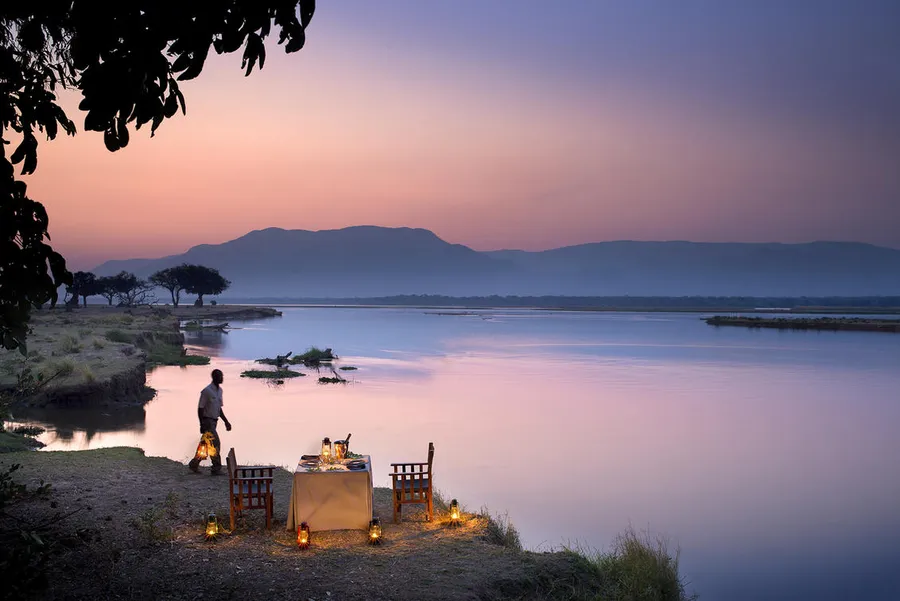
In the Shona language, the word ‘mana’ means ‘four.’ And aptly so, because Mana Pools National Park earned its name from the 4 large pools that were formed by the changing course of the relentless Zambezi River. These iconic pools have become a magnet for an impressive amount of wildlife such as elephants, buffalos, zebras, warthogs, impalas & baboons that flock to the pool’s lush banks for food while predators such as lions, leopards, cheetahs & hyenas are not far behind. A UNESCO World Heritage Site, Mana Pools National Park is one of Africa’s prime wildlife destinations & not only delivers exceptional game viewing but has a bird list of 350 recorded species. As a fly-in destination, Mana Pools can be easily reached from Victoria Falls or Hwange, so travellers can have a well-rounded Zimbabwe safari experience. The Zambezi River makes it possible for guests to enjoy both land & water-based safari activities in Mana Pools. These include traditional open 4x4 game drives, as well as exclusive guided walks in Zimbabwe and river-based safaris which include a mix of kayaking, boating, fishing, & wildlife fly camping safaris. The best time for birdwatching and wildlife viewing in Mana Pools National Park is during the dry season, from June to October. Animals are easier to spot because the dry weather thins the bush & wildlife concentrates around the Zambezi River & the pools on its floodplains. During the rainy season from late November to April, a completely different park emerges from that of the dry season. Parched savannahs turn into lush fields with an abundance of grazing. Many animals disperse inland & game viewing becomes limited, although resident animals do remain. During the green season, newly born animals can be seen & the birdlife is prolific. Note that access by road is often limited between December & March.

NORTH LUANGWA NATIONAL PARK
NORTH LUANGWA NATIONAL PA...

Africa has a few well-kept secrets, &amp Zambia’s North Luangwa National Park is one of them. One of Africa’s wildest safari destinations, the park offers an off-the-beaten-track wildlife experience to safari-goers who are looking for ‘the real Africa.’ There are no permanent camps found in North Luangwa - only a handful of intimate, seasonal camps, a few roads &amp a trickle of visitors, making this region one of the most untouched wildlife destinations in Africa. The number of visitors should not fool you! Exceptional animal encounters can be expected in this wild slice of Africa. The reserve is home to large numbers of lion prides, huge herds of elephants &amp buffaloes, as well as leopard, hyena &amp a variety of other animals. North Luangwa is renowned for its world-class walking safaris &amp this is one of the main reasons why travellers choose this part of Zambia for their safari holiday. Expert guides – some of the best on the continent – will share their passion &amp knowledge of the bush as you explore the deepest, most remote corners of Africa on foot. Some camps also offer open 4x4 game drives – a thrilling experience that will take you closer to some of Africa’s more dangerous predators. The best time to travel to North Luangwa National Park is during the dry season, which is from June to October. During this time, the grass is low &amp animals are easy to find. Note that much of North Luangwa National Park gets flooded during the wet summer season (from November to April), so all camps are closed during this time &amp reopen after the rains have ended in April. During May, it rains less, but there is still a lot of water around, so it is best to visit from June to October.

Ready, Steady, Go!
Ready, Steady, Go!
Panning your trip step one mouse
1. Click on Let's Plan.
Panning your trip step two notebook
2. A travel expert will curate a bespoke holiday.
Panning your trip step three suitecase
3. Book & start packing.
Instagram
Instagram
tree-house-safari
outside-bath-safari
island
lion-safari
cape-town-south-africa
hot-air-balloon
gorilla-trekking-safari
tented-safari
tented-outdoor-sala-safari