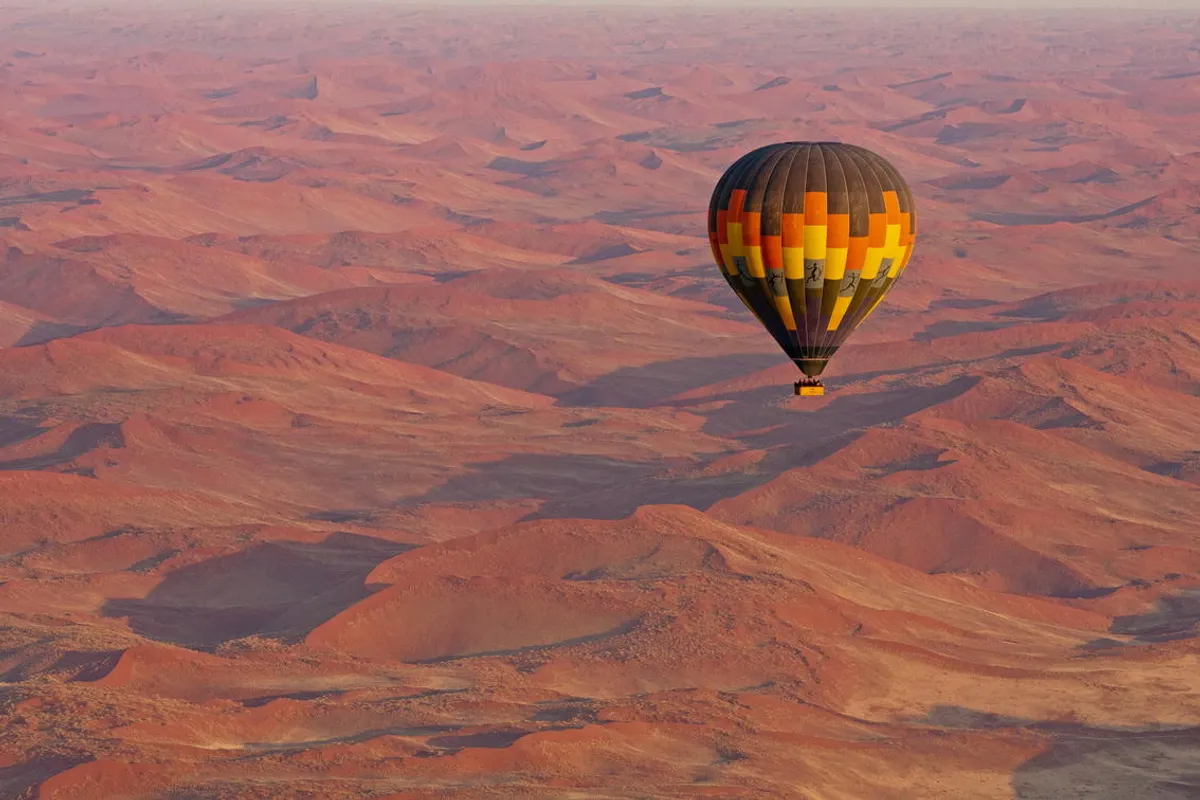
Float In a Hot Air Balloon
 

Float In A Hot Air Balloon

Bucket List Experiences

Float In A Hot Air Balloon

Float In A Hot Air Balloon

Everyone around the world – regardless of your age, gender or ethnicity has probably dreamt about flying. We’re not just talking about stepping onto an aeroplane, fastening your seatbelt & flying across the ocean to another country…Of course, that is a given.

We’re talking about floating in the sky & experiencing life from a bird’s eye view. This is the dream. So why not dream big & set off on a scenic hot air balloon safari?

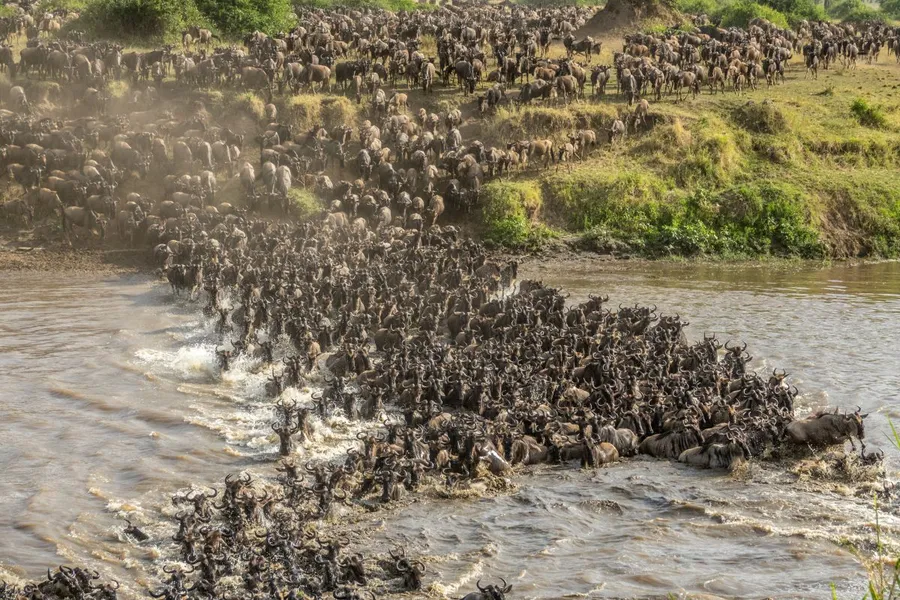
Something magical happens when you observe the bush from a different vantage point. The peaceful surroundings below you are filled with bright colours as the sun rises over the eastern horizon. As the earth warms up, the wildlife starts to become active & it is quite the thrill to spot animals as they move across the plains. The balloon can fly relatively low over big herds (unlike helicopters & small planes), making this one of the best ways to witness the Great Wildebeest Migration.

Floating in a hot air balloon is a photographer’s dream. Nothing quite compares to capturing the stillness of the bush from the sky & finding inspiration from nature. Rest assured: Africa has it all. From Sosussvlei’s red sand dunes to the vast plains of the Serengeti & Masai Mara – life in the sky has its rewards.

When you touch down on solid earth again, scrumptious champagne breakfast awaits you, prepared & served on the savannah – a wonderful ending to the perfect safari experience.

Fly with us as we point out Africa’s most amazing hot air balloon safaris.

1. Serengeti National Park, Tanzania

A balloon ride over the Serengeti is one of the most iconic in all of Africa. Known as one of the most famous national parks in the world, the Serengeti is not only home to the Great Wildebeest Migration but will also offer you plenty to see. Keep an eye out for giraffe, elephant, buffalo & impala while you soar through the sky.

2. Sossusvlei, Namibia

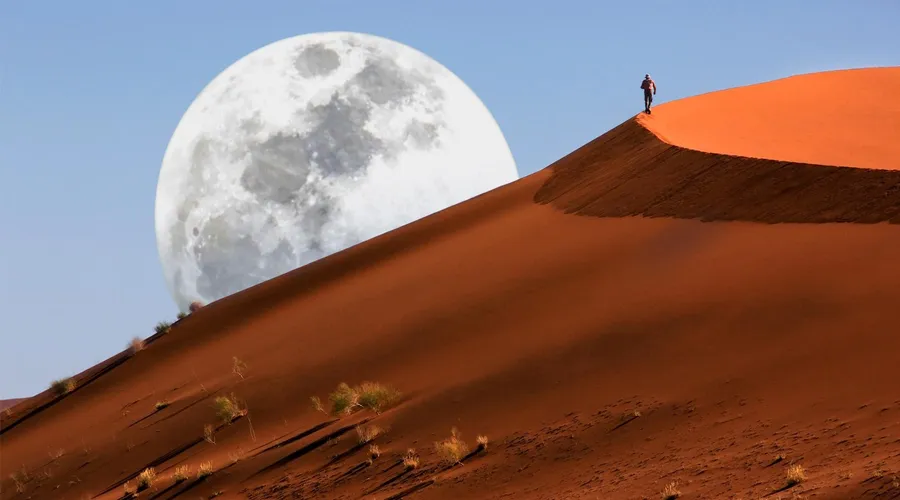
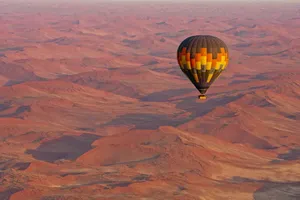
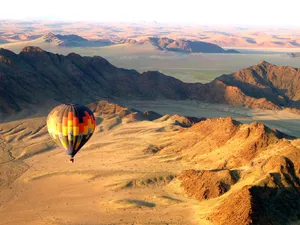
Surrounded by desert, mountains & a landscape of acacia trees, Sossusvlei is one of Africa’s most scenic destinations. As the sun rises over the desert, the colour of the sand dunes turns blood red – a welcomed surprise for photographers who are eager to take that perfect picture. Visitors are drawn to this area for its sparse, yet beautiful landscape that is best viewed from the sky.

3. Masai Mara, Kenya

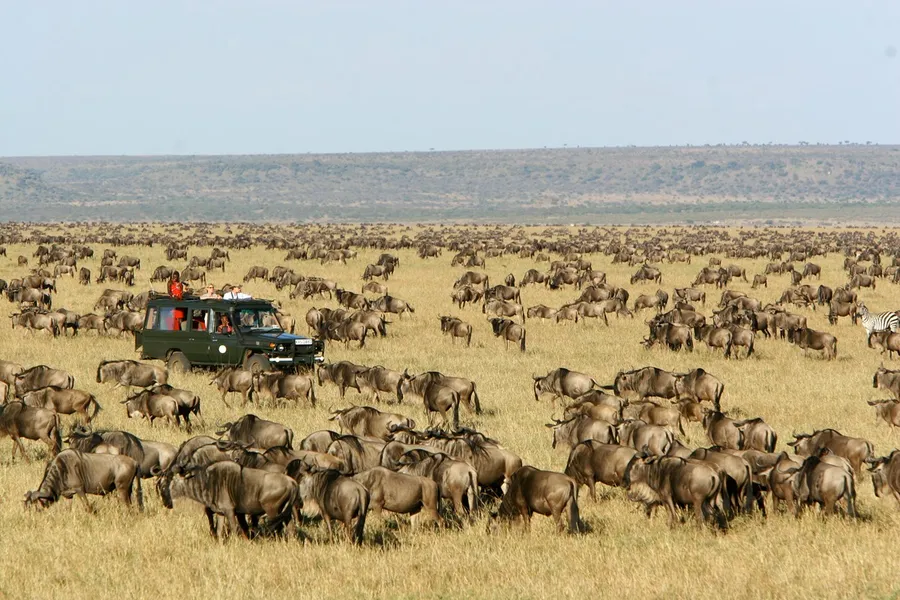
The iconic Masai Mara is a magnet for travellers from around the globe & known for its vast open plains - home to the Great Wildebeest Migration. Soaring in a hot air balloon over these endless plains is often a highlight of a Masai Mara safari. Spotting wildlife from the air as you glide above the trees is an experience you will never forget.

4. Kafue National Park, Zambia

Kafue is one of Africa’s premier hot air balloon safari destinations, because of its remoteness & abundance of wildlife. Get excited, because if you visit Kafue, you will have an opportunity to spot animals like hippo, buffalo, puku & red lechwe from the air.

5. Tarangire National Park, Tanzania

Known for its breathtaking landscape, Tarangire National Park is also home to large elephant herds – often visible from the air. Balloon guests can also spot herds of zebra, running gazelles & Verreaux Eagle Owls from the comfort of the basket.

Gallery
Gallery
 - Gallery 1
 - Gallery 2
 - Gallery 3
 - Gallery 4
 - Gallery 5
 - Gallery 6
 - Gallery 7
 - Gallery 8
Where Can I Do This?
SERENGETI NATIONAL PARK

Home to the iconic Great Wildebeest Migration, the Serengeti boasts one of the world's largest wildlife concentrations and is the habitat of the coveted Big 5: lion, leopard, elephant, buffalo, &amp rhino. Its year-round sensational game viewing is unparalleled. This flagship Tanzanian conservation area encompasses vast rolling grasslands &amp golden savannahs, providing visitors with a profound sense of space &amp some of Africa's finest game encounters. Wildlife enthusiasts flock to the Serengeti to witness nature's grand spectacle: The Great Wildebeest Migration. Every year, millions of wildebeest, zebras, &amp gazelles follow a migratory path across the Serengeti in search of greener pastures. Observing massive herds braving crocodile-infested rivers &amp eluding hungry predators like Africa's big cats is the essence of the Serengeti experience. Throughout the year, expect extraordinary wildlife encounters, including the exhilarating predator-prey drama of calving season (February to March). Serengeti National Park offers a wide array of wildlife-centered activities, including open 4x4 game drives, guided walks, captivating hot air balloon safaris, &amp rewarding birdwatching. Cultural visits, delightful picnic lunches, invigorating mountain biking, &amp horse riding are among the other thrilling pursuits available. For optimal wildlife viewing, plan your visit during the dry season from late June to October. This period not only offers superb wildlife encounters but also showcases the pinnacle of the Wildebeest Migration. While wildlife viewing is excellent year-round, specific areas shine during different times. Keep in mind that the entire migration is orchestrated by rainfall. Here's a brief overview: JANUARY: Herds move south to the area near Lake Ndutu. FEBRUARY & MARCH: Calving season unfolds, with thousands of wildebeest calves born daily. APRIL & MAY: Herds move northwest toward the Moru & Simba Kopjes. JUNE: They reach the central Serengeti, preparing for the challenging journey ahead. JULY: The herds arrive in the Grumeti region, confronting the crocodile-infested waters of the Mara River. AUGUST: Witness thrilling river crossings from the northern Serengeti to the Masai Mara. SEPTEMBER: Herds break into smaller groups, with most crossing to the Masai Mara while a portion remains in the northern Serengeti. OCTOBER: In October, the best time for wildlife viewing is in the Masai Mara in Kenya. Opt to stay in one of the less-crowded private conservancies where off-road driving & night drives are permitted. NOVEMBER: Normally, the short rains begin in November - tempting the wildebeest to leave the dry Mara for the rejuvenated Serengeti. Generally, they can be seen in the Serengeti’s northeastern region where they may split into smaller groups before continuing their journey southward. DECEMBER: In December, the herds move south towards fresh grazing & cover the northern & eastern Serengeti in preparation for another action-packed 3,000 km journey.

SOSSUSVLEI
SOSSUSVLEI

Sossusvlei, nestled at the heart of Namibia's renowned Namib Naukluft National Park, is unequivocally one of Namibia's premier safari destinations. Here, the landscape unfolds with sweeping, sinuous dunes that soar to a breathtaking 300 meters, creating one of the most astonishing sights on our planet. The area boasts spectacular scenery, where the desert hues paint a mesmerizing canvas. It's often hailed by safari enthusiasts as a photographer's paradise, offering a plethora of opportunities to capture its captivating beauty. Scattered throughout this captivating landscape, you'll find luxurious lodges that provide unparalleled views of the desert's remarkable setting. It's a place where you can bask in the lap of luxury while immersing yourself in the serenity of the desert. Sossusvlei is uniquely accessible by road, making it an ideal addition to your self-drive holiday itinerary through Namibia. Without a doubt, it's a destination that merits a top spot on your bucket list. In Sossusvlei, the list of activities is as extensive as the desert horizon is endless. Guests can embark on open 4x4 game drives &amp interpretive nature walks, allowing you to connect intimately with the unique flora &amp fauna of the region. Visits to the colossal sand dunes are a must, and a highlight of your adventure awaits as you hike up the iconic Dune 45, revealing awe-inspiring views over the ocean of red Namib sand. For those seeking elevated experiences, scenic hot air balloon safaris offer a bird's-eye perspective of this surreal landscape. Alternatively, you can opt for horse-back adventures, tracing the footsteps of ancient nomads through this captivating desert. As night descends, indulge in stargazing evenings, immersing yourself in the mesmerizing celestial wonders of Sossusvlei. The dramatic sand dunes of Sossusvlei beckon visitors throughout the year, yet the dry winter months from May to October are universally lauded as the best time to explore Namibia's wonders. This period offers a trifecta of advantages: cool, crisp air for clear skies, ideal conditions for photography, &amp milder temperatures, both day &amp night. As you plan your Namibian adventure, consider Sossusvlei not just as a destination but as an experience that marries luxury, wilderness, &amp boundless exploration. With its iconic dunes, luxury lodges, &amp an array of activities, Sossusvlei promises an adventure that will etch itself into your memory.

MASAI MARA
MASAI MARA

The Masai Mara National Reserve &amp its neighboring conservancies form Kenya's flagship conservation area &amp are undoubtedly one of Africa's top safari destinations. The vast, open plains of the Mara attract an abundance of wildlife, including elephants, buffalos, zebras, giraffes, hyenas, &amp the Mara's iconic big cats: lions, leopards, &amp cheetahs. One of the world's greatest wildlife spectacles unfolds here each year between August &amp November. It's when the Mara becomes a vital pit stop for the endless masses of wildebeests, zebras, &amp gazelles embarking on their death-defying, 2,900-kilometer circular journey following the rains. But before these resilient herds can reach the Mara's lush grazing grounds from Tanzania's Serengeti National Park, they must confront the dramatic, crocodile-infested rivers—a sight to behold in its own right. For those seeking close encounters with Africa's predators and big game, staying in a private conservancy that permits off-road driving &amp night drives is essential. The heart of the Masai Mara experience lies in open 4x4 game drives &amp walking safaris guided by Maasai warriors. These game drives take you right into the heart of the action, ensuring intimate encounters with Africa's wildlife. Expert local guides lead both morning &amp afternoon game drives. Some lodges also offer night drives with spotlights, allowing you to focus on elusive nocturnal animals. Another highlight is exploring the bush from a bird's-eye view in a hot air balloon. After the flight, you'll enjoy a champagne breakfast—an ideal start to a morning in the Mara. The Masai Mara offers superb year-round wildlife viewing, so there's no single 'best time to go' for general game viewing. High season (June to October) brings cooler, drier weather &amp more crowds, while low season (November to March) offers warmer, wetter conditions &amp fewer visitors. During the low season, there are more baby animals to see, &amp birding is excellent. However, the absolute best time to witness the world-famous Wildebeest Migration is usually between August &amp November, depending on rainfall patterns. The Mara's resident animals give birth between December &amp January during calving season. MIGRATION EXPLAINED JANUARY In January, the herds move south from the northeast region to the area near Lake Ndutu. FEBRUARY &amp MARCH February to March is calving season when over 8,000 wildebeest babies are born each day, offering the chance to witness the bittersweet interaction between fierce predators &amp wobbly calves. APRIL &amp MAY Between April &amp May, the herds generally move northwest towards the Moru &amp Simba Kopjes. Breeding is now in full swing, &amp by May, the calves are stronger, allowing the herds to move a bit quicker into the central Serengeti. JUNE In June, they are typically in the central Serengeti, preparing for the most challenging part of their journey. Some herds may have split up, with a few already crossing the Grumeti River. JULY July sees them reach the Grumeti region and northern parts of the Serengeti, facing their greatest obstacle yet: the crocodile-infested waters of the Mara River. AUGUST August is usually the best time to witness the river crossings from the northern Serengeti to the Masai Mara. SEPTEMBER In September, the herds break into smaller groups, with most crossing over to the Masai Mara, while some (less than half) remain in the northern Serengeti. OCTOBER In October, the best chance to see them is still in the Masai Mara. Opt to stay in one of the less-crowded private conservancies that permit off-road driving &amp night drives. NOVEMBER Typically, the short rains begin in November, tempting the wildebeests to leave the dry Mara for the rejuvenated Serengeti. You can usually spot them in the Serengeti's northeastern region, where they may split into smaller groups before continuing their southward journey. DECEMBER In December, the herds move south toward fresh grazing, covering the northern &amp eastern Serengeti in preparation for another action-packed 3,000-kilometre journey. Explore the magic of the Masai Mara &amp witness nature's grand spectacle.

KAFUE NATIONAL PARK
KAFUE NATIONAL PARK

Kafue National Park is Zambia’s largest conservation area &amp is only accessible via daily charter flights, making this one of Zambia’s most off-the-beaten-track safari destinations. Utterly remote &amp very wild, Kafue guests can enjoy excellent big game viewing with barely another vehicle in sight! There are only a handful of luxury tented camps found here – most of which overlook the game-packed Busanga Plains in the northeast corner of the reserve. The vast, grassy floodplains are the grazing grounds for huge numbers of buffalo, wildebeest, red lechwe &amp puku antelope, all of which are preyed on by predators like cheetah, wild dog, spotted hyena &amp lion. Apart from Kafue’s phenomenal wildlife encounters, guests can also expect spectacular pink sunrises, breathtaking scenery &amp a host of exciting Zambia safari activities. A Kafue safari can easily be combined with Zambia’s other wildlife regions: South Luangwa, Lower Zambezi &amp the majestic Victoria Falls in Livingstone. Kafue guests can enjoy a wide range of Zambia safari activities, including open 4x4 game drives, nocturnal-focused night drives, hot air balloon safaris, guided walks, boating, canoeing &amp bird watching. The water-based safaris in boats or canoes will focus on aquatic wildlife such as hippos &amp crocodiles while land-based game drives will take guests straight into the world of predators. Guests can appreciate some of the smaller animals on guided walking safaris while bird lovers can add a staggering 490 species to their bird list. The best time to visit Kafue is from June to October during the dry season. The bush has dried out &amp thirsty animals head to rivers &amp waterholes, which makes these the best months for wildlife viewing. Most camps in the Busanga Plains close during the wet season from December to March. April to June is considered shoulder season. During this time, the water levels are high, which means that water-based safaris can be enjoyed in full swing. Game viewing is good &amp birding is excellent.

Ready, Steady, Go!
Ready, Steady, Go!
Panning your trip step one mouse
1. Click on Let's Plan.
Panning your trip step two notebook
2. A travel expert will curate a bespoke holiday.
Panning your trip step three suitecase
3. Book & start packing.
Instagram
Instagram
tree-house-safari
outside-bath-safari
island
lion-safari
cape-town-south-africa
hot-air-balloon
gorilla-trekking-safari
tented-safari
tented-outdoor-sala-safari